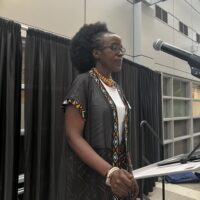
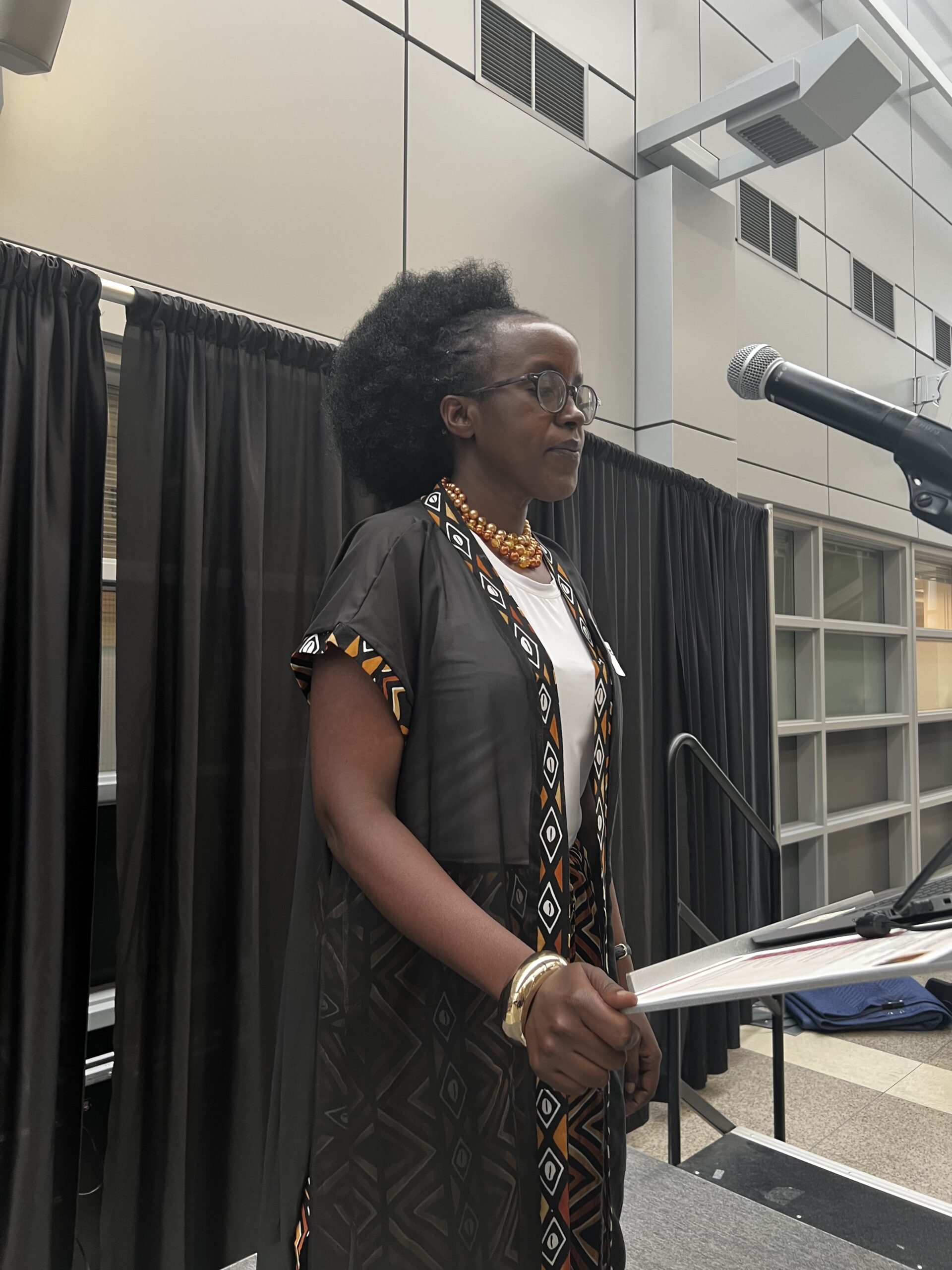
At the 2026 Black Health Research Symposium, Marie Claire Uwamahoro presented two lightning talks examining important challenges in Black health research and healthcare access.
The first presentation shared findings from a scoping review exploring how Black populations are defined and represented in Canadian health research. The review found considerable variation in the terminology used across studies and identified challenges related to inconsistent definitions, assumptions about race and ethnicity, and limited transparency in how populations are described. These inconsistencies can make it difficult to compare findings across studies and may affect how research evidence is interpreted and applied.
The second presentation focused on the experiences of Black Francophone individuals living with multiple chronic health conditions in Alberta. Using a patient journey mapping approach, the research explores how people navigate the healthcare system and the linguistic, cultural, and systemic factors that shape their experiences. The project is being conducted in partnership with a Community Advisory Committee to ensure that community perspectives help guide the research process.
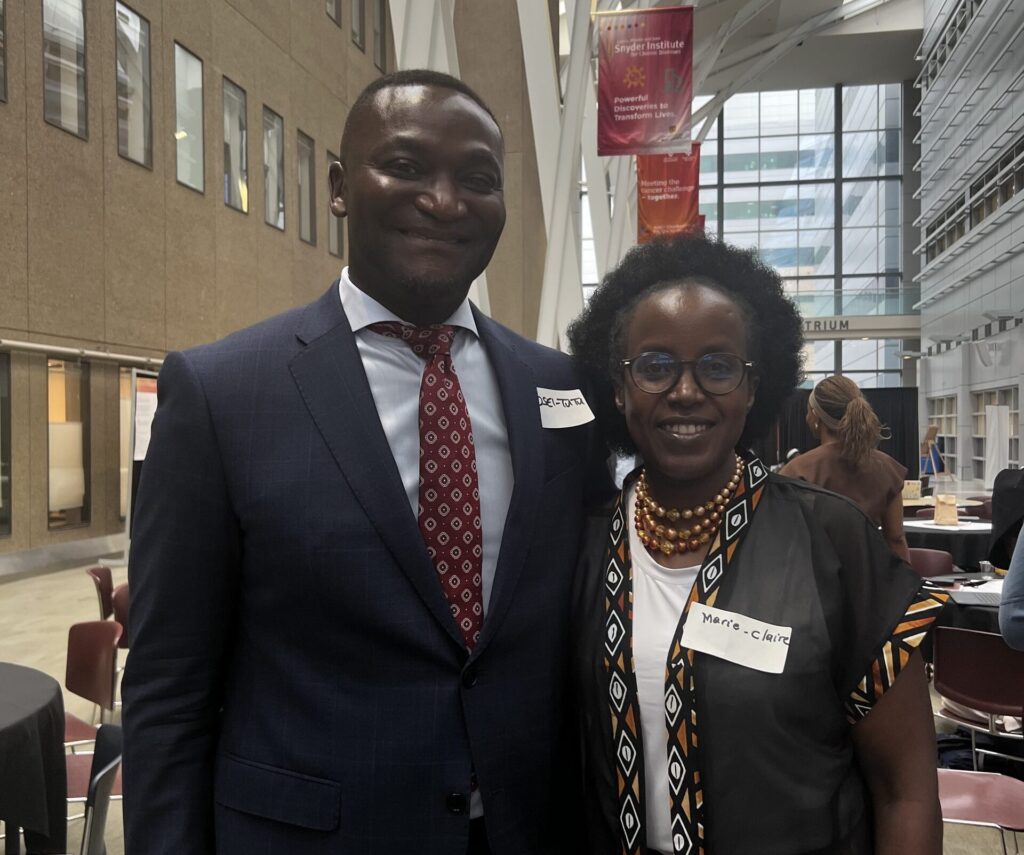
Together, these presentations highlight the importance of ensuring that health research reflects the experiences and realities of the communities it seeks to serve. They also demonstrate how language, representation, and lived experience influence both the quality of research and people’s ability to access and benefit from healthcare services.
This work advances C4’s commitment to equity, inclusion, and community-engaged research. By examining how Black populations are represented in health research and exploring the healthcare experiences of Black Francophone communities, these projects help identify barriers that can affect both research quality and health outcomes. The findings will contribute to more inclusive research practices, inform health policy and service design, and support efforts to improve equitable access to care for diverse communities.